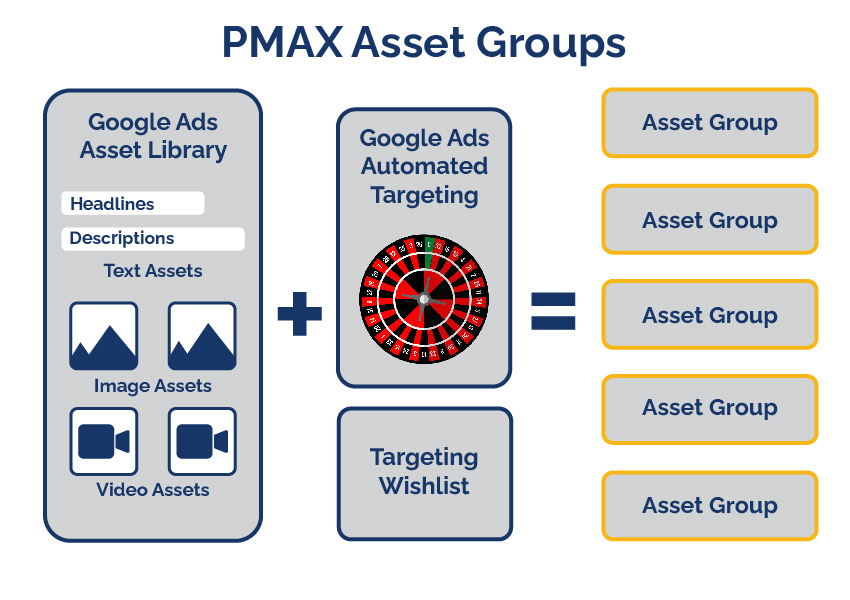
In Google’s PMax campaigns, Asset Groups act as containers for ad copy, images, and video, while Listing Groups define which SKUs from your product feed those assets promote. Together, they extend reach beyond Shopping ads, letting you advertise product categories with tailored creative. The key: align strong ad copy and visuals with the right product subsets for maximum impact.
Published On: July 31, 2023Categories: PMax Campaigns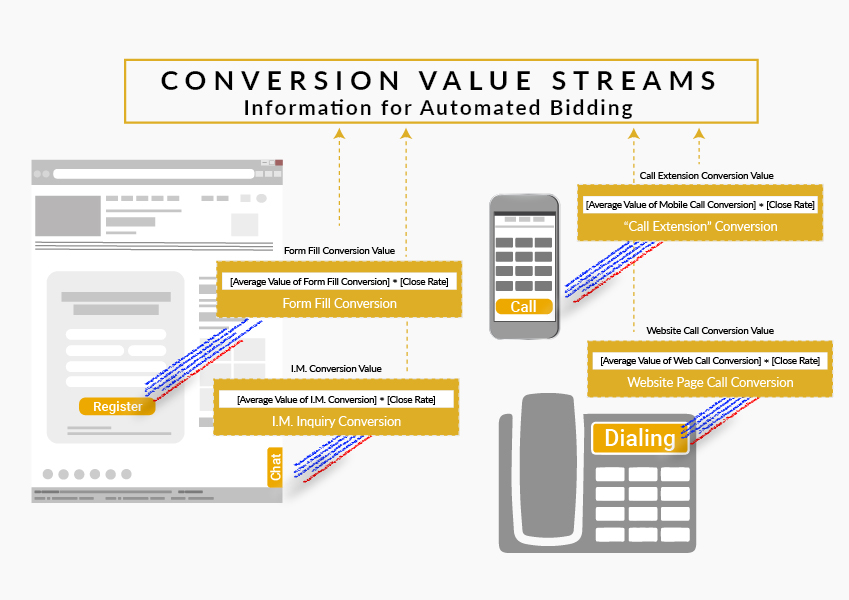
For every PPC account and display ad campaign, we create a conversion value model for each type of conversion event and (related), select a method for click attribution modeling. When a conversion occurs, the value for that conversion is distributed ("attributed") up through the sales funnel, with weighting as defined by the click attribution model.
In our conversion value model, what we are after is the gross margin (value) that each conversion action is producing. In the case of a display campaign that advertises products, the conversion value would likely be (sales price-sales tax)*(average gross margin).
Conversion value modeling is important because it allows for calculating the two most important metrics in paid search: return on ad spend, and advertising margin. But more importantly, it provides valuable information back to the automated bidding algorithms, which use machine learning to maximize the performance of the campaign.Published On: May 25, 2021Categories: Display Ad Campaigns
For eCommerce Shopping ad campaigns, conversion tracking setup is important because it allows for calculating the two most important metrics in paid search: return on ad spend, and advertising margin.
More importantly, it provides valuable information back to the automated bidding algorithms, which uses machine learning logic to maximize the performance of the campaign.
When a Shopping campaign sends accurate conversion tracking conversion values back to the automated bidding logic, automated bidding with machine learning can deliver significant performance improvements, and greatly reduce campaign management time.Published On: May 25, 2021Categories: Shopping CampaignsDisplay campaigns are more likely to generate "conversion assist" clicks than final-click conversions. For this reason, click attribution is important for assessing the display campaign's role in conversion performance. But accurate conversion tracking is also important with display.
For this reason, we implement 100% conversion tracking coverage, whether the events being tracked are transactions, form submissions, phone calls, or other meaningful events.
We've found that less than half of existing campaigns have full conversion tracking implemented, and even when conversion tracking is implemented, it is more often than not lacking full coverage.
There is a reason for this – conversion tracking can be difficult to implement and test.Published On: May 25, 2021Categories: Display Ad CampaignsIn a video ad campaign, viewers are presented with a call-to-action that takes them to a web property where any conversions happen.
Conversion tracking setup assigns a value to each conversion event that results from a view of the associated video. In our conversion value model, ideally, the conversion value is equal to the gross margin (value) that particular conversion action is creating.
In the case of a video campaign that advertises products, the conversion value would likely be (sales price-sales tax) * (average gross margin).
When a marketing attribution modeling is used, the value for each conversion is distributed ("attributed") up through the sales funnel, with weighting as defined by the best click attribution model for that event.Published On: May 25, 2021Categories: Video Ad Campaigns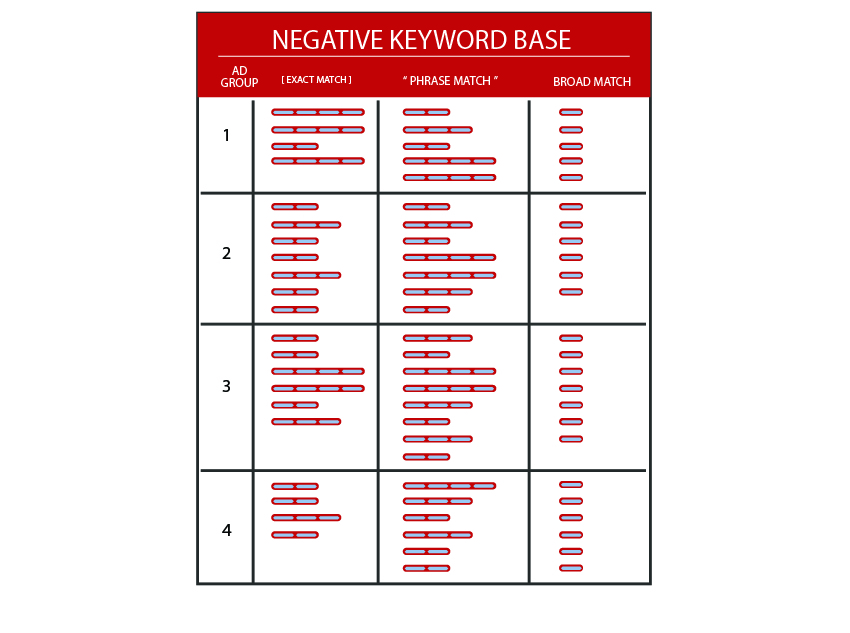
Negative keyword discovery is feature that shouldn't be neglected when targeting a shopping ad campaign.
Negative keywords applied in a shopping campaign act as an inhibitor, or overlay on the positive targeting methods. They allow us to "shape" with a bit more more precision, who the ads serve to. For example, we might exclude certain age groups and/or income levels.
In addition to using negative keywords, it may be beneficial to exclude certain targeting audiences. "Negative" audiences frequently can improve campaign performance by making them more selective. Examples might include negative in-market audiences, interests, demographics such age, gender, income level, parental, homeownership status and other demographic information.Published On: April 14, 2021Categories: Shopping CampaignsNegative keyword discovery is a very useful feature that shouldn't be neglected when setting up video discovery ad campaigns.
Negative keywords applied in a video campaign overlay and inhibit the positive audience targeting. They allow us to shape who video discovery ads, and audience-targeted inline video ads serve to with more precision.
In a video campaign, ads won't show on videos that are related to the topic specified in each negative keyword.Published On: April 14, 2021Categories: Video Ad Campaigns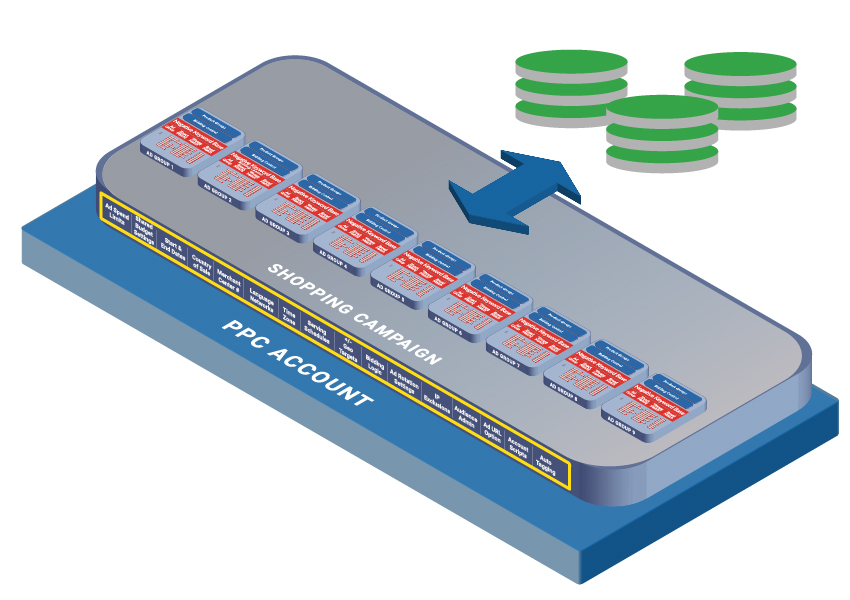
When setting up shopping campaign serving parameters, bidding is the central issue. Manual bidding at launch is the best way to force shopping campaigns to develop serving momentum quickly.
The manual bidding period provides a baseline to optimize against going forward. It also provides confirmation that we're bidding up to the "Benchmark" shopping bid level.
When setting up serving schedules, our scheduling preference is usually to allow the campaigns to initially run 24x7x365 Many campaigns perform well at surprising times, during days of the week and hours of the day you might not expect.
In some b2b eCommerce markets, we will run campaigns on weekdays only and perhaps not overnight. There are time zone spans to consider, for example in the US, making sure East coast campaigns stay on late enough to shop up for West coast end-of-day business traffic.Published On: April 13, 2021Categories: Shopping Campaigns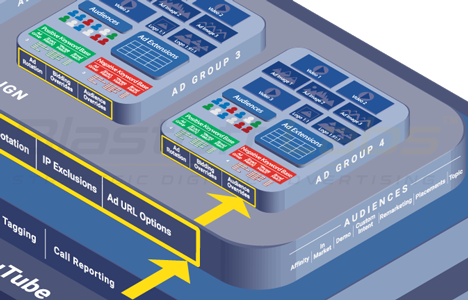
When a new video campaign is launched, we will set and adjust bids manually for the first week or two. This is the fastest way to ramp up a campaign, andit establishes a baseline to compare with results from other types of bidding.
Manual bidding is the best way to force a new campaign to serve on YouTube, so enough data can be accumulated to nurse the campaigns onto automated bidding.
Video campaigns allow Sitelink ad extensions which tend to perform very well so we configure those. We also like the new Lead Form extensions. In a video campaign Google can auto-fill most of the fields.Published On: April 13, 2021Categories: Video Ad Campaigns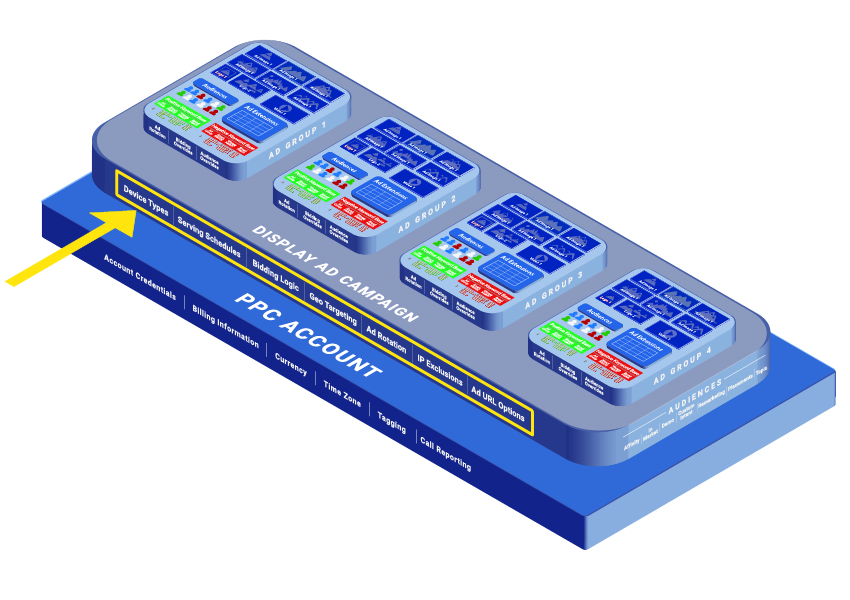
When setting up display campaign serving parameters, our preference is usually to allow the campaigns to initially run 24x7x365. We can then use that data to optimize the campaign schedule, as we have measured what times and days of the week are most effective.
In some b2b markets, we will run campaigns on weekdays only and perhaps not overnight. There are some common mistakes to avoid, for example in the US making sure East coast campaigns stay on late enough to shop up for West coast end-of-day business traffic.
The reason for running campaigns (at least initially) 24x7 is that many campaigns perform well at surprising times – days of the week, and hours of the day you would not expect.Published On: April 13, 2021Categories: Display Ad CampaignsThe majority of search campaigns that we rebuild, initially do not have accurate search ad conversion tracking in place. In the era of automated bidding, full tracking coverage for all types of conversions is crucial to each search campaign’s success.
There is a reason for this – conversion tracking can be difficult to implement and test. At Blastoff Ads we go to great lengths to set up search ad conversion tracking with 100% coverage of all conversion events.
We spider your website to locate exposed email addresses, as they are “conversion tracking leaks”. We set up call conversion tracking if not present. Because conversion tracking is so crucial, we go to whatever lengths are necessary to achieve 100% conversion tracking coverage.Published On: March 23, 2021Categories: PPC Search Ad Campaigns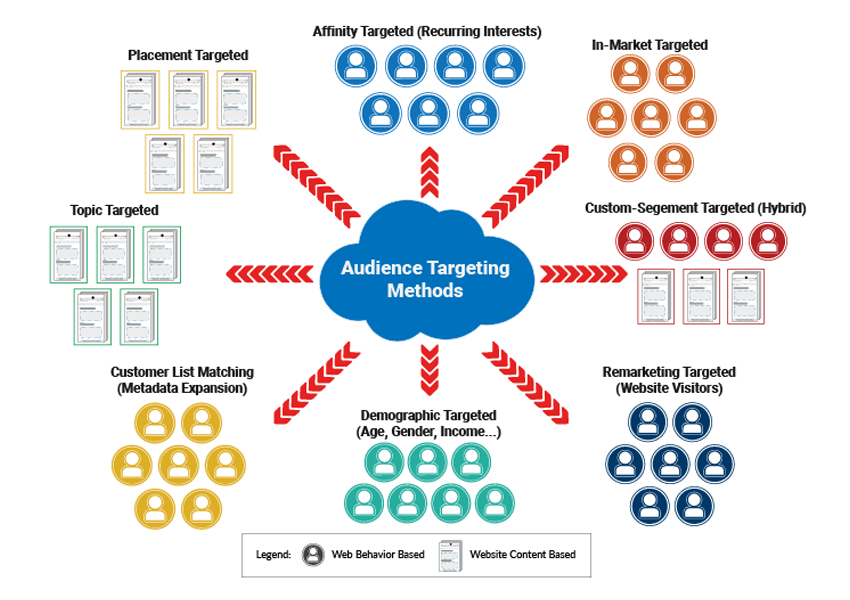
Display campaign audiences are the primary means for targeting display campaigns.
There are scores strategies for selecting display campaign audiences to fit the market targeted. The general idea is to understand the demographics, persona, and behavior of the customer; then to find or create audiences that match those characteristics. In addition to positive targeting, it may also be beneficial to exclude certain audiences. These "negative audiences" can be used to shape the targeting to improve campaign performance.
Types of targeting available include direct website placements by specifying URLs, so-called "in-market" audiences (behaviors indicating shorter-term buying interest), persistent interests known as "affinity" audiences, customer list audiences, and demographics audiences which might include age, gender, income level, homeownership, and parental status.
Published On: March 11, 2021Categories: Display Ad Campaigns



Our attention to detail guarantees that every aspect of your campaign is optimized for success. Experience the difference that our tailored approach can make for your advertising efforts.

Our Services
© 2025 Blastoff Ads™ | All Rights Reserved | Privacy Policy | Terms & Conditions
Blastoff Ads is a registered trademark with the US Patent & Trademark Office