Where Should Initial PPC Ad Spend Be Set?
Initial PPC ad spend should be set high enough to generate enough activity for useful campaign data. In most markets, Blastoff Advertising recommends spending enough to generate at least 20 clicks per day so the campaign can begin accumulating meaningful performance data within each 24-hour period.
The daily ad spend needed to reach that level depends on average cost per click. A simple way to estimate the daily budget is to multiply the expected number of clicks by the estimated average CPC.
For example, if the estimated average CPC is $5 and the goal is 20 clicks per day, the initial daily ad spend would need to be approximately $100 per day.
What Affects Average Cost Per Click?
Average CPC is influenced by several factors, including quality scores, competitive bidding pressure at the time of each auction, minimum bid levels set by the advertising platform, keyword intent, market demand, and landing page relevance.
Before launch, CPC estimates can be useful for planning, but they are still estimates. Blastoff Advertising uses tools to estimate likely CPC ranges, but actual costs can vary once the campaign begins serving. In many cases, pre-launch CPC estimates can be reasonably close, but they should not be treated as fixed numbers.
Why Very Low Launch Budgets Can Slow Optimization
Very low daily budgets can make it harder to collect useful data, especially in competitive markets with higher CPCs. When click volume is too low, it can take longer to evaluate search terms, ad performance, conversion behavior, and bidding strategy.
A campaign does not need an unlimited budget to begin, but it does need enough activity to produce useful signals. If the campaign receives only a small number of clicks each day, early optimization decisions may need to be made more slowly because the data set is limited.
Why Initial Ad Spend May Change After Launch
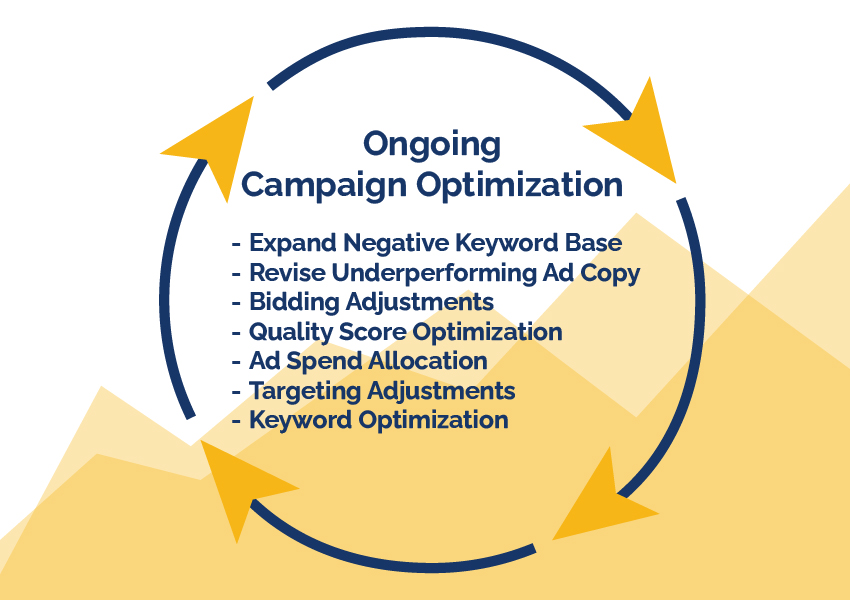
This FAQ is focused on where to set initial PPC ad spend for a new or re-engineered campaign. Once a campaign begins running, ad spend may need to be adjusted based on actual CPC, click volume, conversion rate, cost per conversion, quality scores, and the campaign’s early performance pattern.
Many new campaigns develop stronger quality scores as they run, are optimized, and settle into a more stable serving pattern. As that happens, the minimum recommended spend needed to generate useful activity may decline, or the same budget may begin producing more clicks and better data.
When Higher PPC Ad Spend May Make Sense
Once a campaign is known to be profitable, an advertiser may want to increase daily ad spend because the campaign is producing a positive return. That decision depends on available search volume, conversion value, cost per conversion, lead quality, account capacity, and whether additional spend is likely to produce additional profitable results.
The goal at launch is not simply to spend more. The goal is to set enough PPC ad spend to generate useful data, give the campaign room to stabilize, and support early optimization decisions.
Related Topics
Related topics include positive PPC ROI, automated bidding timelines, and PPC campaign management.