Search Ad Campaigns: A 12-Stage Development Process

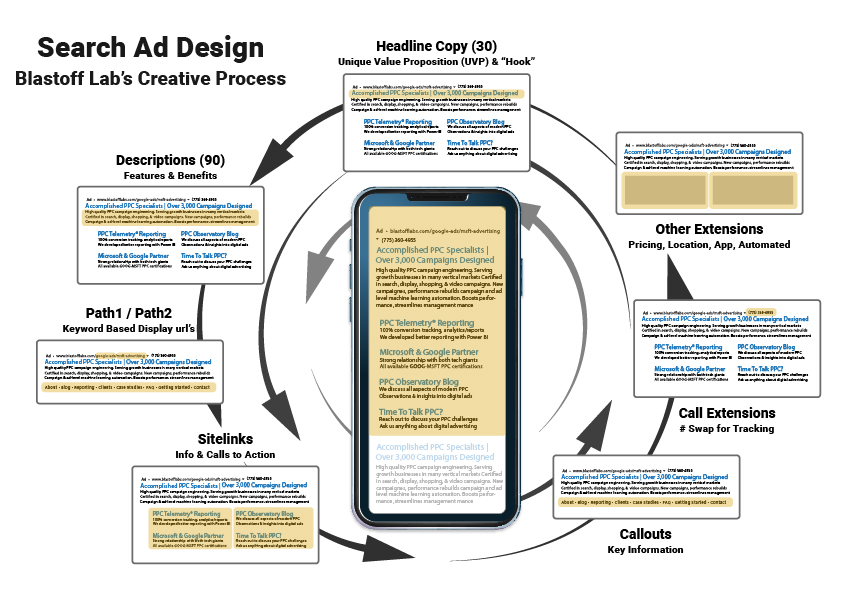
To create the foundation for high-performance search ad campaigns, Blastoff Ads created a systematic development process. With each new campaign we develop, we look for opportunities to further refine our process. We start with CRO feedback, as necessary. We then utilize industry software for keyword discovery. Our keyword bases help guide the structure of search campaigns. We develop ad copy for each ad group within the campaign. We configure conversion tracking, reporting, and analytics.

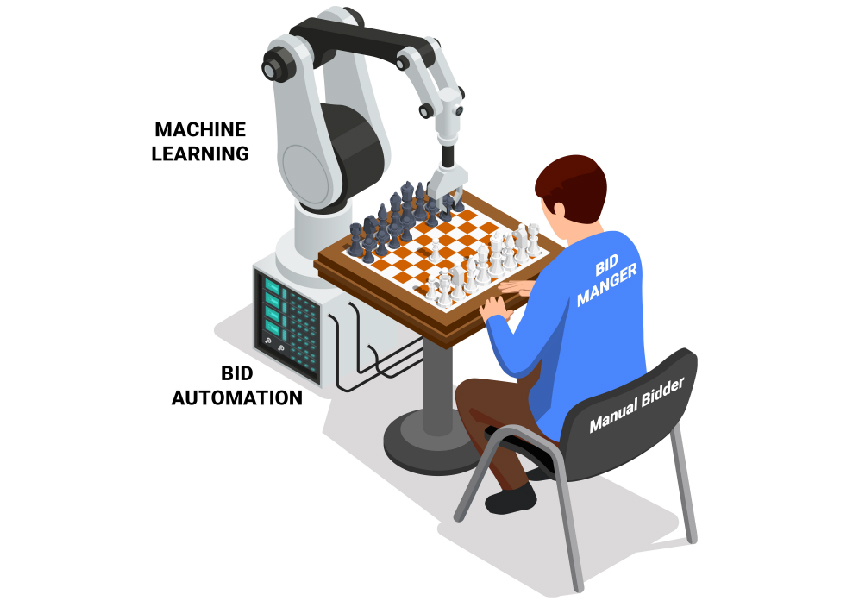
Once a search campaign is launched, we watch its performance under a microscope. We monitor search terms, serving momentum, and keyword bids to optimize the campaign. This optimization leads to the transition of the campaign from manual bidding to automated bidding. From then, we continue to manage the campaign from disapprovals to other critical issues that may arise.
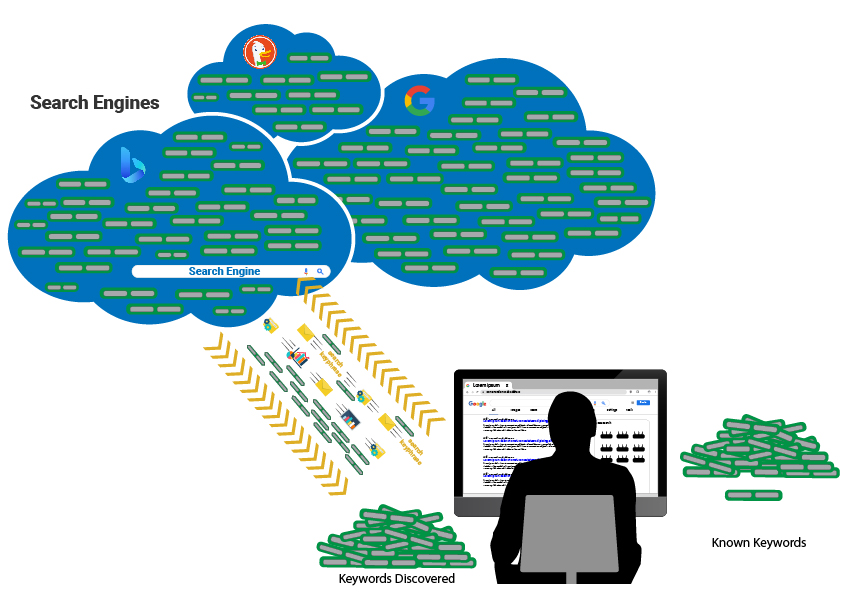
  • Keyword Discovery Process

    STAGE 3

    A strong keyword discovery process helps paid search campaigns start with better structure, clearer intent, and a more practical path for optimization. Learn why keyword base size, search volume, landing page alignment, and budget fit all matter when building PPC campaigns.

  • Unlocking Success With Search Campaign Web Analytics

    STAGE 8

    Search campaign web analytics connects paid search traffic with website behavior, landing page engagement, phone calls, form submissions, purchases, and conversion paths. By linking analytics, tag management, Search Console, and tracking tools, advertisers can better understand which keywords and landing pages are producing real results.

  • Search Campaign Structure

    STAGE 4

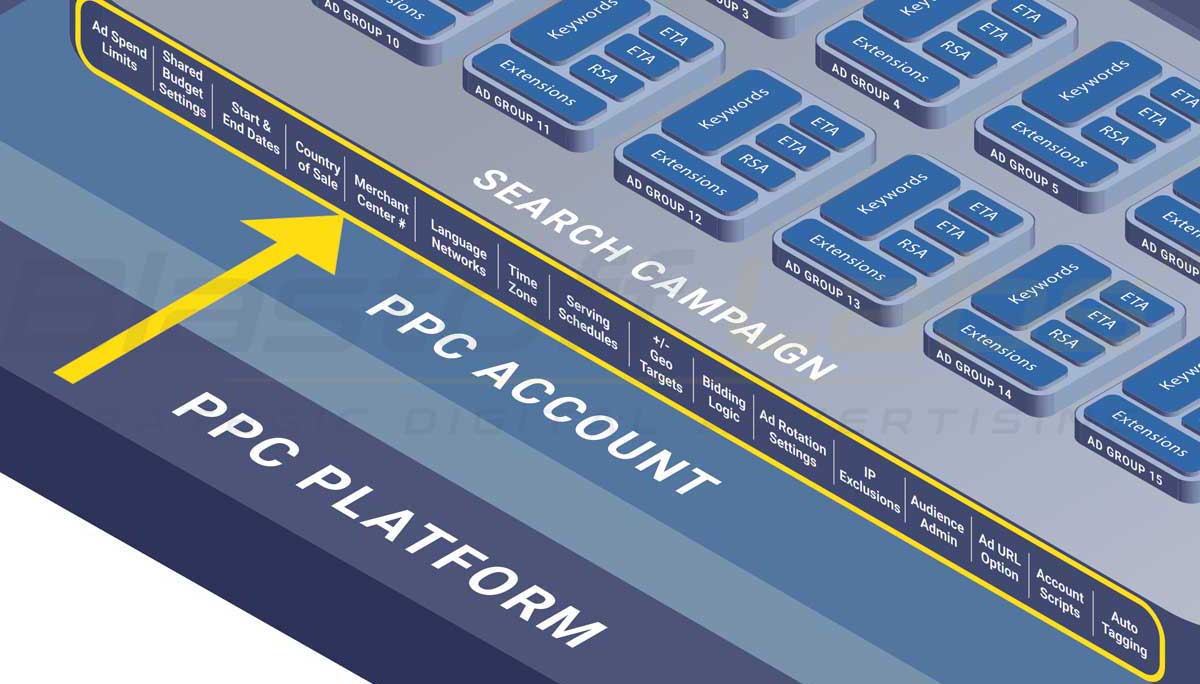
    The ad group structure flows naturally from groups of words that are semantically related. This is one of the secrets to developing search campaigns with high "quality scores" (QS). When search campaigns are built around relevant groups of semantically related keywords, good quality scores follow.

    By factoring, we organize the keyword base into ad groups around semantic relationships.  This is the process for creating a structured campaign – one with just keywords that mean the same thing in each ad group.

    We then apply a workflow to assign keyword match types in a strategic fashion, to fit your market based upon an assessment of search intent.

  • Search Campaign Optimization & Automation

    STAGE 10

    Optimizing a paid search campaign after launch is a two-phase process designed to maximize performance and use ad spend efficiently. In the first phase, we run manual bidding for two to five weeks. We refine the keyword base, harvest negative keywords, balance ad spend across ad groups, adjust bids, improve ad copy, and build the clean conversion data that automated bidding needs to function well. Once the campaign has accumulated sufficient conversion volume, we transition to automated bidding — typically Target CPA. We set an initial target with room to perform, watch for conversion stability, then gradually walk the target CPA down until we find the most efficient level the market will support. From there, optimization shifts to finer adjustments: keyword sculpting, audience bid modifiers, ad copy testing, and landing page alignment. For competitive campaigns, ongoing monitoring and refinement continue long after launch — keeping performance strong as market conditions and platform dynamics evolve.

  • Configure Search Campaign Serving Parameters

    STAGE 6

    Ad Spend: A search campaign should generally be purchasing at least 15 to 20 clicks daily. Below that level, failure rates are higher.

    Geo Targeting: Controls the locations where ads serve, and where they do not serve.

    Bidding: Influences when a campaign participates in an ad auction, how it ranks in that auction, and which search results pages the ads may appear on.

    Campaign Serving Schedule: We start most campaigns to serve 24x7x365. This creates a baseline that can later be used to optimize the serving schedule.

    Ad Rotation: Responsive search ads, or RSAs, can be rotated and reviewed to support ad copy testing and performance optimization.

  • Search Campaign Launch

    STAGE 9

    After a search campaign launch, the first few weeks are focused on monitoring serving patterns, refining keywords, checking conversion tracking, and preparing the campaign for stronger performance through automated bidding.

  • Search Campaign Reporting Setup

    STAGE 7

    Before launching a search ad campaign, we’ll configure search campaign reporting.

    The reports will be designed to fit your accounts, campaigns, and business objectives. We'll add standard key performance indicators (KPI's), or implement custom KPI's most closely aligned to your business objectives.

    Search campaign reports include a summary page for each type of campaign, along with pages for each individual campaign detailed across the reporting period.

    Charts showing daily campaign behavior for the reporting period, and key performance indicator summaries for the reporting period compared to the previous reporting period.

  • Search Campaign Competitor Assessment

    STAGE 1

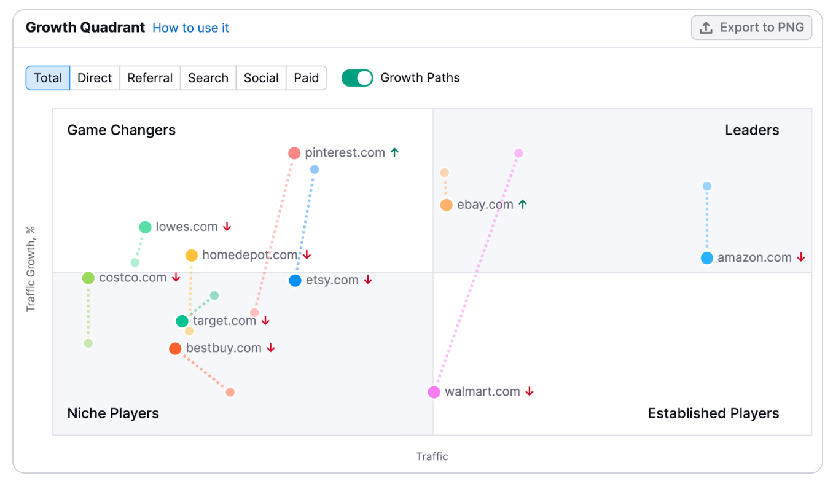
    Once a search campaign project is onboarded, we study your website, products, and services then begin our paid search competitor assessment.

      • Identify the significant direct and indirect competitors.
      • Familiarize with their products, services, and positioning in the market.
      • Familiarize with advertising history, ad copy, ad spend.
      • Identify significant competitive trends.

    This provides visibility into how your ad campaigns can be best structured for highly competitive PPC ad auctions.