PPC campaign performance is tracked through a combination of platform data, conversion tracking, analytics, reporting dashboards, and structured performance review. The goal is not simply to report clicks and impressions. It is to understand whether the campaign is producing qualified traffic, measurable conversions, and useful business outcomes.
Blastoff Advertising builds campaign reporting around the metrics that matter for decision-making. Our reports are designed to show what changed, where performance is improving, where pressure is building, and which areas of the account deserve closer review.
What Is Included In PPC Campaign Reporting?
Our PPC campaign reports provide a practical view of account and campaign performance. Charts, tables, and summary sections may document key metrics such as spend, impressions, clicks, click-through rate, conversions, conversion rate, cost per conversion, conversion value, and return on ad spend when conversion value data is available.
Depending on the campaign type and business model, reporting may also include keyword performance, search terms, product-level data, audience performance, ad group performance, landing page activity, geographic performance, device performance, and other account-level indicators. These details help connect reporting to active PPC campaign management, rather than treating reports as a static monthly summary.
How Are Key Performance Indicators Used?
Key performance indicators, or KPIs, summarize the most important changes from one reporting period to the next. These metrics help show whether campaign performance is improving, declining, stabilizing, or shifting in a way that deserves closer review.
For example, a report may compare the current period against the previous month, the prior 30 days, or the same period from the previous year. This helps separate normal performance movement from changes that may affect strategy, budget allocation, or optimization priorities.
Why Campaign Data Needs Context
Campaign data is only useful when it is interpreted in context. A lower cost per click may not matter if lead quality declines. A higher conversion rate may not tell the full story if conversion volume drops. A campaign may also show strong aggregate results while individual keywords, products, audiences, or locations are underperforming beneath the surface.
That is why Blastoff Advertising includes insights inside campaign performance reports. We look for performance anomalies, changes in trend direction, tracking issues, unusual spend patterns, conversion changes, and account-level signals that may require further analysis. This is also where adaptive optimization becomes important, because campaign decisions should respond to what the data is showing over time.
What Issues Can Campaign Reporting Help Identify?
Strong PPC reporting helps identify both opportunities and problems. Some issues are obvious, such as rising cost per conversion or declining conversion volume. Others require deeper review across multiple data points.
Common Reporting Signals We Review
- Changes in conversion volume or conversion rate
- Rising or falling cost per conversion
- Changes in click-through rate or impression share
- Shifts in keyword, product, audience, or geographic performance
- Landing pages receiving traffic but not converting well
- Unusual increases in spend or click costs
- Tracking gaps or unexpected changes in conversion data
- Campaign segments that perform differently from the account average
How Reporting Supports Campaign Optimization
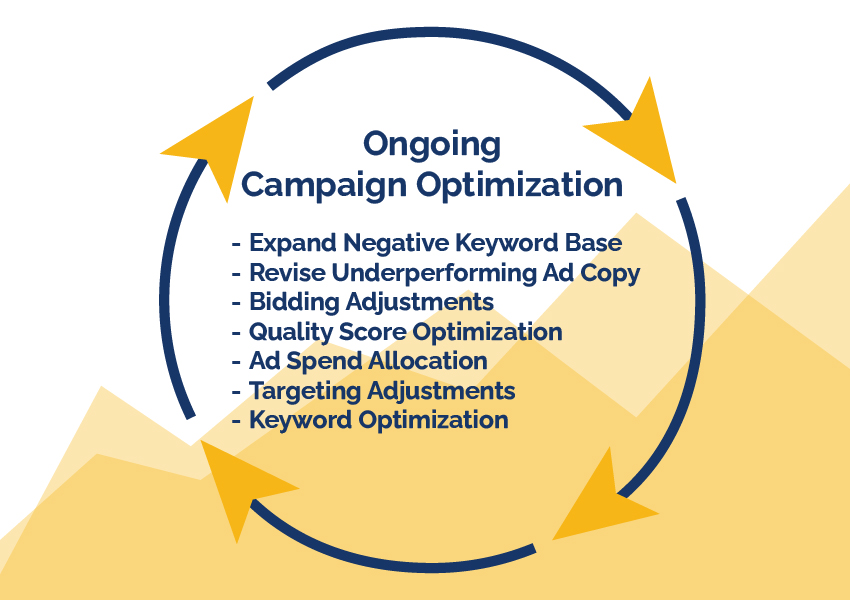
Reporting is not just a record of what happened. It supports the next round of campaign decisions. When the data is clear, it becomes easier to decide where to increase budget, where to reduce waste, which segments need testing, and which parts of the campaign need closer attention.
For automated bidding campaigns, reporting is especially important because the platform is making auction-level decisions based on the data it receives. If conversion tracking, conversion values, or campaign structure are not set up correctly, performance reporting can look incomplete or misleading.
Why Conversion Tracking Comes First
Campaign reporting depends on accurate conversion tracking. Before performance can be evaluated properly, the account needs to track the actions that matter to the business, such as form submissions, phone calls, purchases, quote requests, booked appointments, or other qualified lead actions.
Without reliable conversion data, reporting may show activity but not enough information about business impact. That is why campaign reporting, web analytics, and conversion tracking need to support the same performance framework.
How Client Dashboards Fit Into Reporting
For many accounts, dashboards help make campaign performance easier to review between formal reporting periods. A dashboard can give clients access to important performance indicators without requiring them to sort through every platform screen or raw account export.
Dashboards are most useful when they are built around the right metrics. A well-structured client dashboard should make performance easier to monitor, while the deeper reporting process explains what the numbers mean and how they should influence campaign decisions.
What Should Clients Look For In Campaign Reports?
Clients should be able to see more than a collection of metrics. A useful report should help answer practical performance questions: What changed? Why does it matter? Where is the campaign efficient? Where is it under pressure? What needs to be watched, adjusted, or tested next?
Not every reporting period requires a major change. Sometimes the right decision is to monitor a trend until enough data is available. In other cases, the report may point to a clear opportunity or a performance issue that should be addressed quickly. Related articles in our PPC reporting section provide additional context on how reporting supports ongoing campaign review.
Tracking Campaign Performance With Blastoff Advertising
Blastoff Advertising uses campaign reporting to keep performance visible, measurable, and actionable. We review the data, identify important changes, and highlight issues or anomalies that may affect results.
The goal is to help clients understand how their campaigns are performing, what the data is showing, and how that information should guide ongoing PPC management, testing, and optimization.