
PPC Campaign Management: Article Library

We find it useful to think about a new Google Ads campaign as having three clocks running simultaneously.
The statistical clock, the automated bidding learning curve clock, and calendar time.

Learn how monthly PPC reports differ from dashboards and why written context, campaign commentary, and performance trends matter when reviewing paid advertising results.
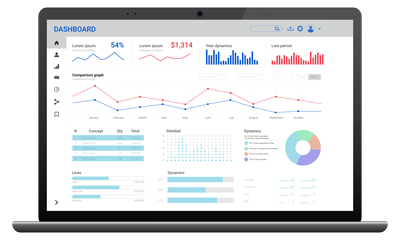
Skillfully executed, consistent PPC account performance management will boost the return on your paid search campaigns while lowering risk. The question becomes what degree of management, which varies depending upon the environment the campaign operates in, and the stage of development of the campaign.
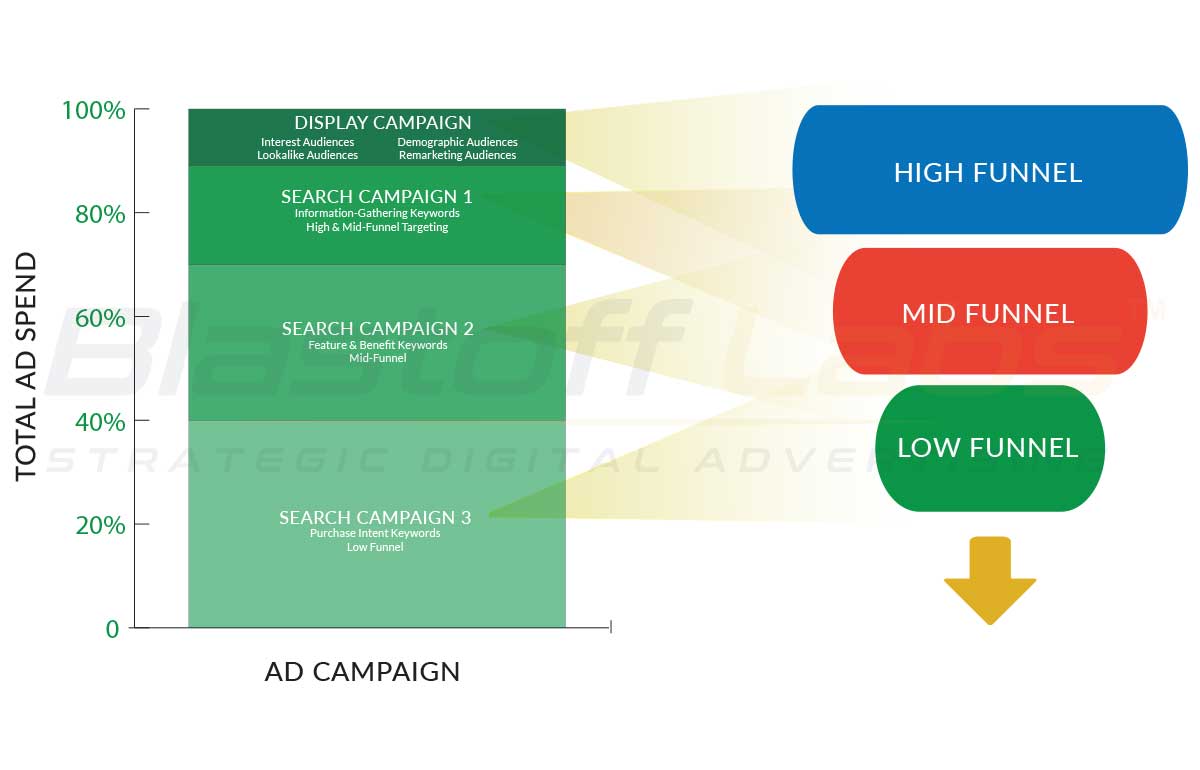
Paid search performance management covers the ongoing monitoring, optimization, and reporting of search ad campaign performance. For most accounts, a well-structured campaign isn't the finish line - it's the starting ...
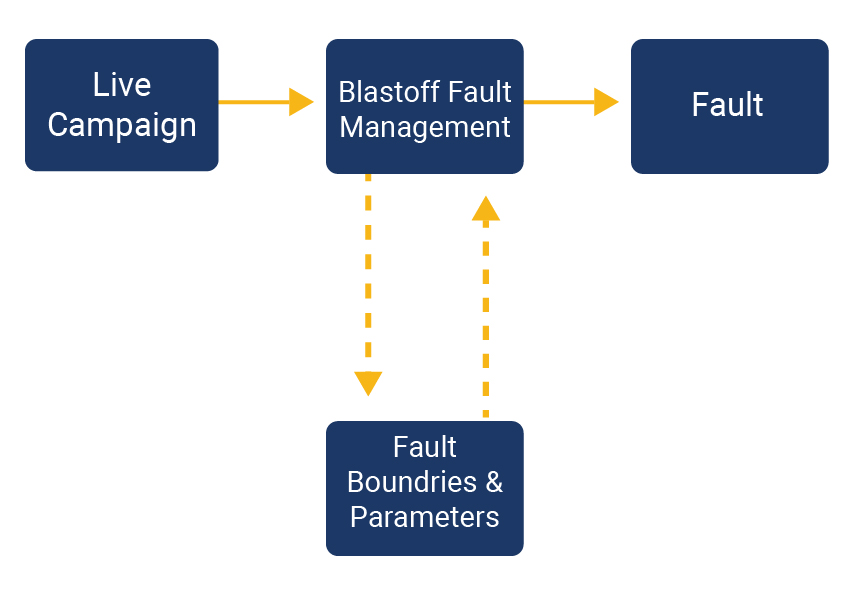
PPC campaigns need fault monitoring because problems like expired payment cards, disapproved ads, feed mismatches, tracking failures, and rising CPA can affect performance quickly. Real-time monitoring helps identify and resolve issues before they create larger campaign problems.
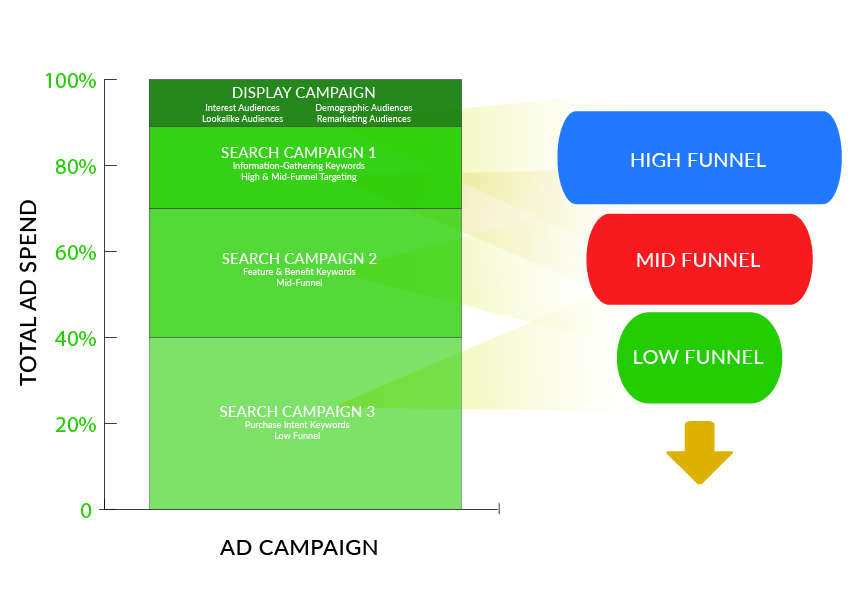
Shopping campaigns require more ongoing management for several reasons. Most eCommerce stores are frequently updating their inventory, competitive products arrive at slightly lower prices, and as a feed changes automated bidding may require recalibration.
The Shopping platforms are constantly monitoring eCommerce campaigns that utilize their ad platform. Typically this is done by bots and it frequently results in Merchant Center exceptions, warnings, and errors arriving in the form of unwelcome emails. We monitor Shopping campaigns for these issues and handle them as they arrive.
Reporting and performance management is a crucial need for eCommerce advertisers. Most of our eCommerce clients receive reports monthly, detailing performance in the period vs previous periods, and highlighting work on ongoing challenges/issues.Our clients receive video campaign performance management reports as part of our ongoing account management services. These reports help make campaign performance easier to review, showing how video ads are serving, how audiences are engaging, and where adjustments may be needed.
For video campaign performance management, we customize reporting to provide both a high-level summary and individual reporting pages for each campaign. This gives clients a clear account-wide view while still preserving the campaign-level detail needed to evaluate targeting, creative performance, budget use, engagement, and conversion activity.
Most reports are generated monthly and compare the current reporting period against previous periods. This helps identify performance trends, highlight challenges or issues, and guide the next round of campaign optimization.

Blastoff Advertising clients receive display campaign performance reports on a regular basis as an integral part of our ongoing account performance management process.
For display campaigns, we customize reporting to provide both an overall view and more detailed campaign-level information. A rollup report summarizes performance across all display campaigns, while individual reporting pages provide a closer look at each campaign.
Reporting is an important part of managing PPC campaigns. Most clients receive reports monthly, with current performance compared to previous reporting periods and ongoing challenges or issues highlighted for review.
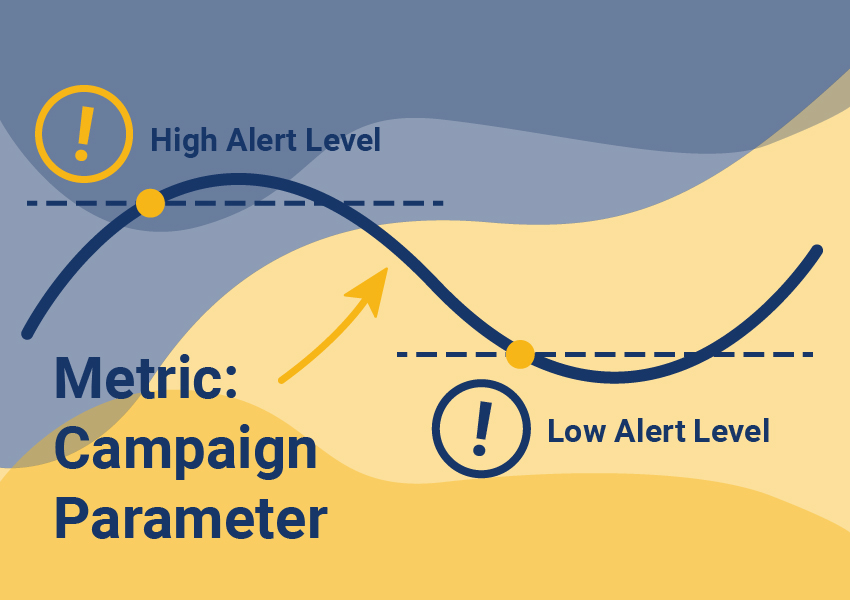
PPC Telemetry™ monitors client campaigns in realtime, pulling data from real-time API’s, and can generate alerts when they exceed preset boundaries, conditions, or critical operating limits. There are many benefits to our clients. One example, active alerts speed the optimization of campaigns. Frequently as we walk ads through split-test optimization cycles, new ads are introduced, we’ll calculate the number of clicks on both ads required to provide a statistically significant result. As soon as that alert triggers, we’re able to make a decision on a winning ad and introduce a new one to replace the loser. A second example: automated bidding takes up to 14 days to converge and lock, so we’ll set alerts when campaigns are coming out of learning mode. When ads are disapproved or payment methods fail, we can act on it immediately. There are many other situations where alerts accelerate improvements.
Blastoff Ads reporting monitors many client campaigns and can generate alerts when they exceed preset boundaries, conditions, or critical operating limits. Automated monitoring speeds optimizations of campaigns. For example, when we are walking ads up the “split-testing optimization cycle”, as a new ad is introduced we’ll calculate the number of clicks required to provide a statistically significant result. When that alert triggers, we’re then able to make an immediate decision on a winning ad, and introduce a new ad to replace the lower-performing ad. This allows us to quickly “walk” an ad group up the ad performance curve. Another example is automated bidding in campaigns, which takes up to 14 days to converge and lock in. We set alerts when campaigns to bring our attention back to the campaign when it is in the middle of, then coming out of “learning mode”. Similarly, when faults occur – for example, ads are disapproved or payment methods fail, we are alerted and can act on it immediately. There will be more on the use of alerts in PPC campaign monitoring in other articles across this site [links pending].


